
Alkaline Soak Cleaners Vs Electrolytic Cleaners: Choosing the Right Surface Preparation Solution
Alkaline Soak Cleaners Vs Electrolytic Cleaners Explained
At PSSPL, we know that the foundation of any high-quality finish is a surface that’s clean and activation ready. In metal finishing, two approaches dominate the cleaning stage: Alkaline Soak Cleaners and Electrolytic Cleaners.
Each method has its place, depending on substrate, contamination profile, and downstream processes such as plating or painting. Here is a practical, technician-focused comparison to help you decide which path fits your line.
Surface preparation is widely recognized as one of the most critical steps in the metal finishing process. Even the most advanced plating or coating technologies cannot compensate for poor surface cleanliness. Residual oils, oxides, shop soils, or fabrication residues create barriers that interfere with adhesion, coating uniformity, and corrosion resistance. For this reason, industrial finishing lines rely heavily on well-designed cleaning systems before any subsequent finishing process begins.
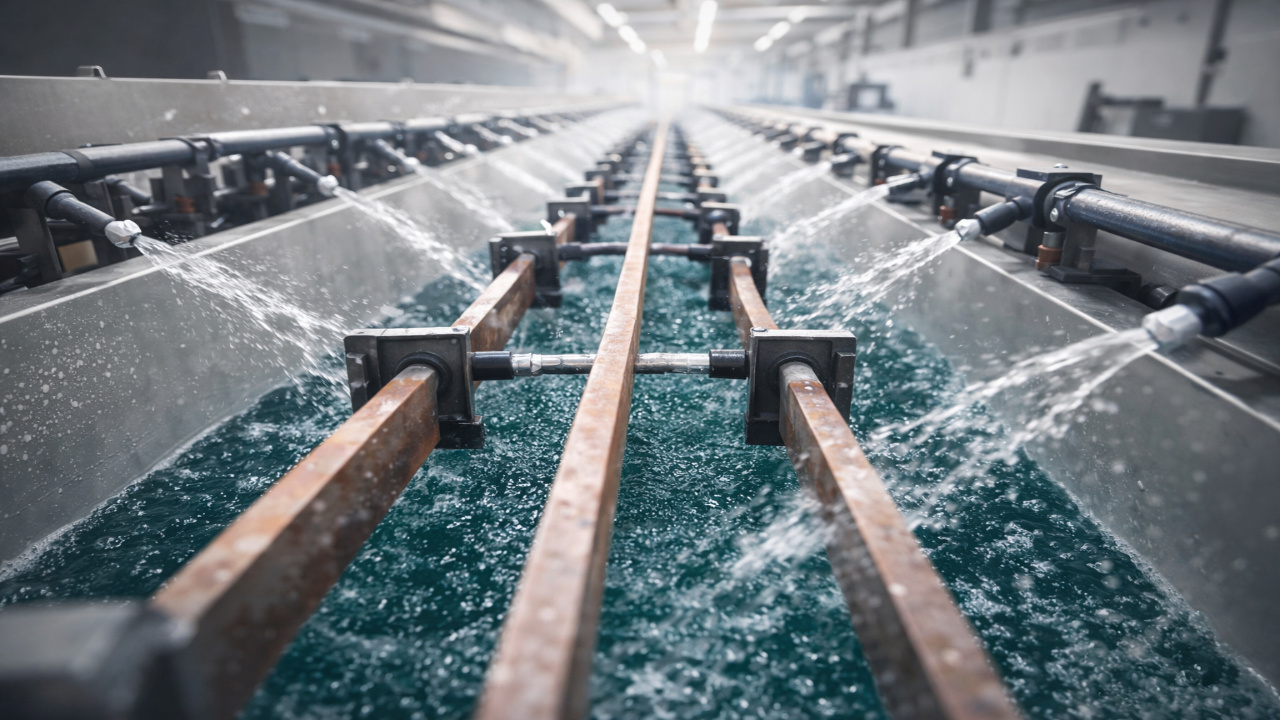
Both alkaline soak cleaning and electrolytic cleaning have been used for decades across metal finishing industries. While they share the common objective of preparing surfaces for further treatment, they operate through different mechanisms and deliver different advantages depending on the nature of contamination and the production requirements of the manufacturing line.
1. How the Two Processes Differ In the Real World
Alkaline Soak Cleaners
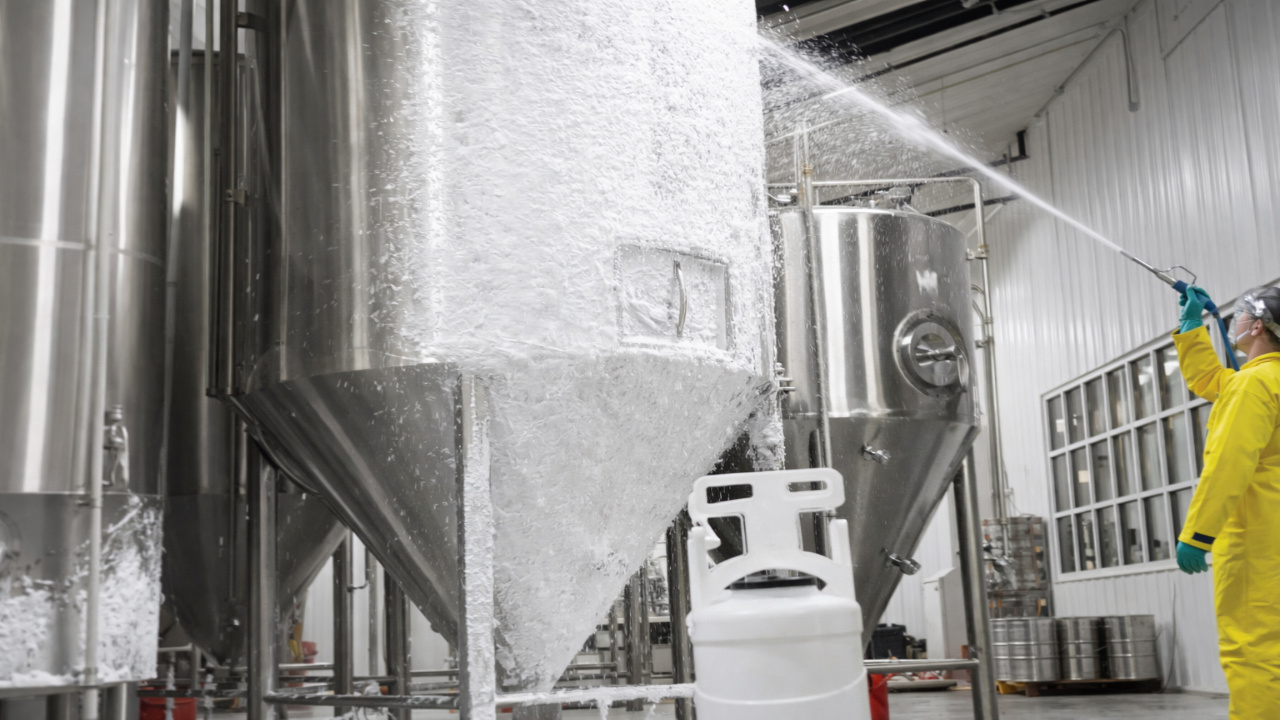
- What happens: Submerged in a heated alkaline bath, parts are exposed to chemical action that emulsifies oils, greases, and shop residues. The surface emerges bright, active, and ready for subsequent treatments.
These cleaning systems rely primarily on chemical reactions between alkaline agents and organic contaminants present on the metal surface. Surfactants, builders, and emulsifiers work together to break down oils and disperse them into the solution so that they can be removed during rinsing. Temperature and immersion time play an important role in maximizing the effectiveness of the cleaning process.
- Strengths you all notice on the floor:
– Robust for a broad range of metals ferrous and non-ferrous with metal-specific formulations
– Simple equipment footprint, no electrical setup required.
– Consistent, uniform cleaning that’s easy to scale for high-volume parts with complex geometries.
Because alkaline soak cleaning relies on immersion rather than electrical current, it is particularly well suited for components with intricate shapes, internal cavities, or complex assemblies where mechanical agitation or solution flow ensures consistent chemical contact with the entire surface.
- Typical use cases: Bulk pre-cleaning before painting, plating prep for batches with varied shapes, and initial oil-removal steps where downstream chemical immersion processes happen.
Electrolytic Cleaners
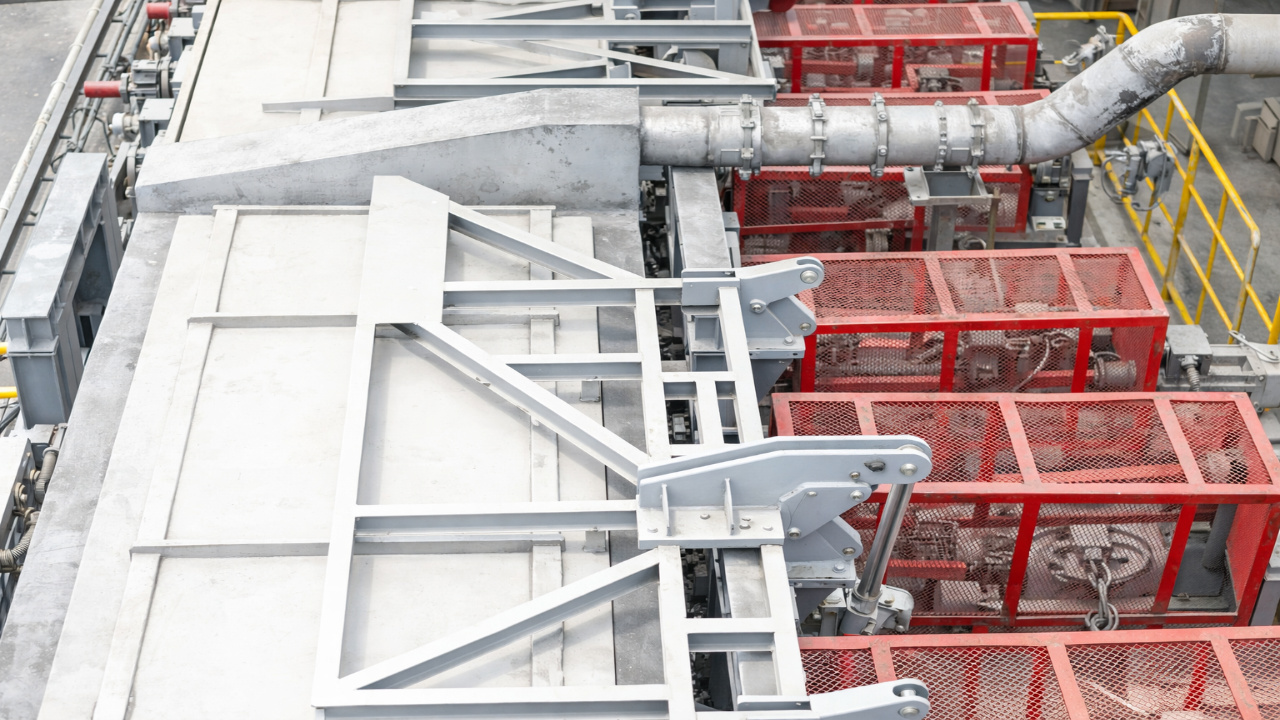
- What happens: The part acts as an electrode in a specialized bath. The applied current mobilizes and lifts stubborn films, oxides, scales, smut, and tenacious greases—leaving a cleaner, more activation-ready surface.
Electrolytic cleaning combines chemical cleaning agents with the action of electrical current. Gas evolution at the surface of the component creates microscopic agitation that helps dislodge tightly adhered contaminants. This mechanism allows electrolytic cleaners to remove films and oxides that may remain after conventional chemical cleaning.
- Strengths you’ll value on the shop floor:
– Highly effective on oxides and tenacious contaminants that resist purely chemical cleaning.
– Anodic or cathodic operation can be selected to suit the substrate and contamination profile.
– Excellent repeatability and surface activation, which translates to more reliable plating or coating adhesion.
The ability to operate either anodically or cathodically provides flexibility for different metals and contamination types. In many finishing lines, electrolytic cleaning is used after a soak cleaning stage to ensure that the surface is fully activated before plating or coating operations begin.
- Typical use cases: Precision components, parts with challenging oxide layers, and pre-plating steps where tight process control is critical.
2. Benefits In Practice
Alkaline Soak Cleaners
- Efficient oil and grease removal across mixed-metal families without a power supply.
- Activates the surface for improved adhesion downstream.
- Cost-effective, straightforward maintenance and straightforward chemistry management.
- Delivers bright, uniform surfaces that minimize post-clean rinsing concerns.
Another operational advantage of alkaline soak cleaning is its ability to process large volumes of parts simultaneously. Since electrical infrastructure is not required, these systems are often easier to install and maintain, making them suitable for production environments where simplicity and throughput are important considerations.
Electrolytic Cleaners
- Superior removal of stubborn oxides and mineral-scale films that resist chemical only approaches.
- Tight control over cleaning endpoints and surface activation, enabling consistent downstream performance.
- Well-suited to high-precision applications where plating, anodizing, or high-performance coatings demand pristine cleanliness.
- Helps ensure uniform coating thickness and adhesion, reducing rework in high-value components.
In many high-specification finishing operations, electrolytic cleaning acts as a critical activation step immediately before plating. By ensuring that the metal surface is completely free from oxide films and contamination, it helps achieve consistent metal deposition and improved coating performance.
3. Industrial Applications In Real-World Settings
Automotive & Aerospace
- Electrolytic cleaning is used for precision parts such as engine assemblies, hydraulic components, and landing gear pins for oxide removal and flawless activation.
- Alkaline soak cleaners are ideal for bulk pre-cleaning of assemblies and parts with tight geometries demanding thorough chemical immersion.
In automotive manufacturing environments, cleaning processes must handle a wide variety of contamination types ranging from machining oils to stamping lubricants. Alkaline soak cleaners are often used as the first stage of cleaning before precision finishing operations take place.
Metal Fabrication & Manufacturing
- Alkaline soak cleaning prepares parts for painting, coating, and plating—especially when the geometry is intricate and a uniform bath dwell is practical.
- Electrolytic cleaning targets surfaces with oxide or scale that would compromise downstream adhesion, particularly before critical finishes.
Fabricated components frequently undergo several machining and forming operations before finishing. During these steps, surfaces accumulate oils, metal fines, and oxide films that must be removed through properly designed cleaning stages.
Electronics & Precision Components
- Electrolytic cleaning is favored for removing microscopic films on connectors, PCBs, and fine components to ensure reliable plating and conductivity.
In electronics manufacturing, even microscopic contamination can interfere with electrical performance. Electrolytic cleaning helps remove extremely thin oxide layers and films that may not be visible but can affect plating quality and electrical conductivity.
General Industrial Use
- Both methods play essential roles: an alkaline soak can handle the heavy oils and soils, while electrolytic cleaning can address stubborn films that threaten adhesion or finish quality.
For many industrial finishing lines, the most effective strategy is not choosing one method over the other but integrating both stages into a complete cleaning sequence. This combination ensures that surfaces are thoroughly degreased and fully activated before entering plating or coating baths.
4. Choosing the Right Cleaning Process
Choose Alkaline Soak Cleaners when:
- You’re dealing with a broad metal mix and heavy oils/soils where immersion is efficient and scalable.
- Electrical infrastructure is limited or you’re prioritizing a lower capital expenditure.
- Your surface preparation goal centers on a bright, uniform, active surface ready for the next step without the need for ultrafine oxide removal.
Alkaline soak cleaning is particularly effective when the primary contamination consists of oils, lubricants, and general fabrication residues. In such cases, the chemical action of the alkaline bath provides efficient cleaning without the need for additional electrical equipment.
Choose Electrolytic Cleaners when:
- You’re facing tenacious oxides, scales, or smuts that aren’t reliably removed by chemical action alone.
- The downstream coating or plating requires tightly controlled cleanliness and surface activation.
- The production line demands repeatable, traceable cleaning endpoints to support high-precision processes.
Electrolytic cleaning is commonly selected when the finishing process demands extremely clean surfaces, such as before decorative plating, precision electroplating, or high-performance coatings used in demanding industrial applications.
Conclusion
Both Alkaline Soak Cleaners and Electrolytic Cleaners are indispensable steps in modern surface finishing. The choice depends on your substrate, level of contamination, and desired finishing outcome.
At PSSPL, we deliver high-performance cleaning solutions engineered for excellence. Our alkaline soak and electrolytic cleaners ensure that every surface is bright, active, and perfectly ready for subsequent finishing processes, setting the stage for a flawless result.
By starting with the right cleaner, industries can achieve better coating adhesion, enhanced durability, and consistent quality across all production stages.
With decades of experience in surface finishing chemistry, PSSPL continues to support manufacturers with reliable cleaning technologies designed for modern industrial production. By combining proven chemical formulations with process expertise, the company helps ensure that every finishing operation begins with a properly prepared surface.